Best Bundesliga Cities for a Football Weekend: Munich, Dortmund, Berlin, Leipzig and More
Best Bundesliga Cities for a Football Weekend: Munich, Dortmund, Berlin, Leipzig and More
The best Bundesliga city is not always the one with the most famous club. The right choice depends on stadium access, rail connections, supporter culture, ticket availability and what you want to do after the final whistle.
German football trips also come with a few practical complications. Bundesliga kick-offs can move for television, European competition or cup fixtures. Two clubs in the same city may not both have home matches, while many German stadiums sit outside the traditional city centre.
Some match tickets may include local public transport rights, but this depends on the club, competition and ticket type. Always check the current ticket conditions instead of assuming that a match ticket covers every part of a German rail journey.
Start with the Bundesliga travel hub, then compare the Bundesliga Stadium Listings and Bundesliga Hotels Listings before choosing your base.
Which Bundesliga city fits your football weekend?
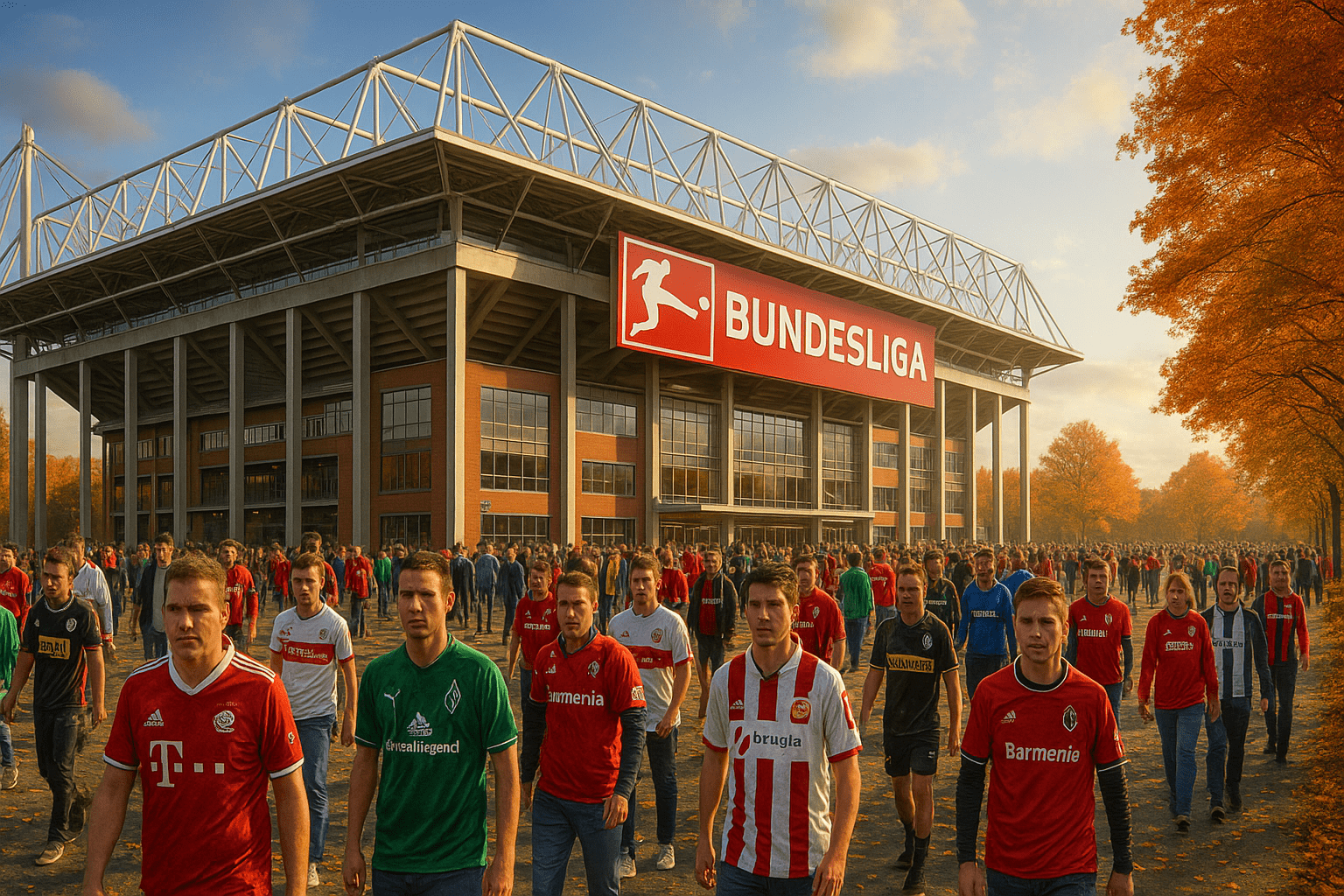
Bundesliga cities are not interchangeable. Munich is built around a major stadium experience, Dortmund around supporter culture, Berlin around variety and city sightseeing, and Leipzig around a compact rail-friendly weekend.
| City | Best for | Main planning issue | Useful hotel base |
|---|---|---|---|
| Munich | First trips and a major stadium experience | Allianz Arena is outside the central tourist area | City centre or a practical rail and metro corridor |
| Dortmund | Supporter atmosphere and a football-first weekend | Large crowds affect the route from the station to the stadium | City centre with a planned post-match route |
| Berlin | Football, museums, history and city variety | Different stadiums require completely different routes | Central Berlin, chosen around the confirmed fixture |
| Leipzig | A compact trip without renting a car | The last walk from the city transport network still matters | Near the centre or main station corridor |
| Leverkusen | One match plus Rhine-Ruhr travel | Fewer backup fixtures if the date changes | Leverkusen, Cologne or a confirmed rail corridor |
Munich: the easiest first Bundesliga trip
Munich is the easiest city to recommend to someone attending their first Bundesliga match. Allianz Arena is an instantly recognisable stadium, the city has strong rail connections and there is plenty to do before and after the game.
The important practical point is that Allianz Arena should be treated as a dedicated matchday destination rather than a central-city attraction. The stadium is in the north of Munich, so a city-centre hotel still requires a complete urban transport journey and a final walk.
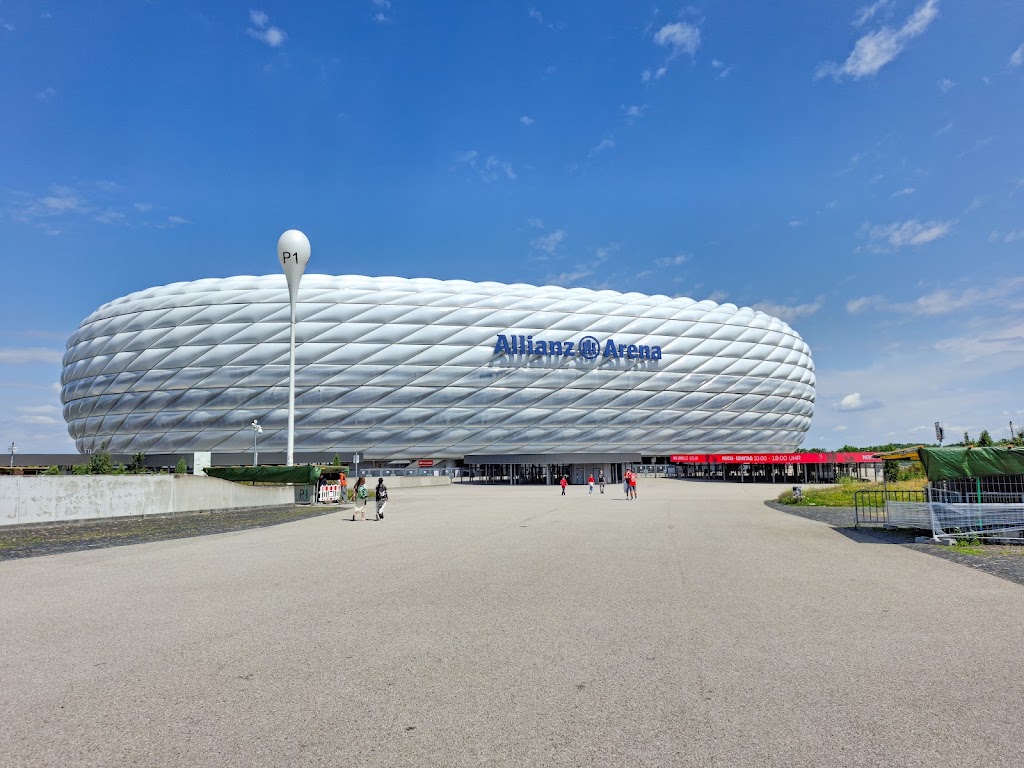
Munich Hauptbahnhof is useful for visitors arriving from another German city, but a hotel near the main station is not automatically the shortest route back after the match. City-centre accommodation gives you more restaurants and more flexibility, while a stadium-area hotel may simplify one specific return journey.
Bayern’s most popular fixtures can also create greater ticket and accommodation pressure. Do not book an expensive weekend around an assumed opponent or date before the final ticket and fixture information is available.
Munich is best for: first-time visitors, large-stadium experiences and football combined with sightseeing. The main drawback: the stadium is not a walkable extension of the city centre.
Munich is the easiest city to recommend for a first Bundesliga trip, but Allianz Arena should be treated as a dedicated matchday destination rather than a central-city attraction.
Dortmund: the strongest supporter atmosphere
Dortmund is the choice for visitors who want the matchday itself to be the main event. Signal Iduna Park and the Südtribüne are closely associated with the atmosphere that makes German football distinctive.
The experience begins before the teams appear. Supporters arrive from different directions, the route around the stadium becomes busier and the walk from Dortmund Hbf or local transport is affected by the crowd. This is not a normal station-to-stadium journey.
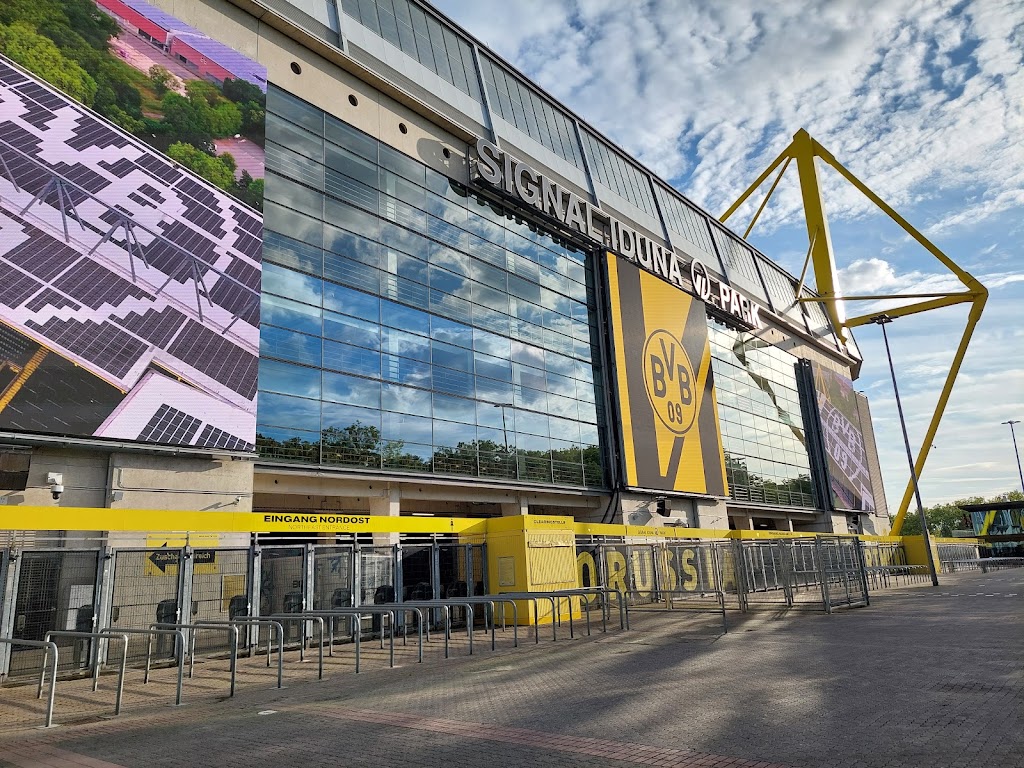
A Dortmund city-centre hotel is usually more flexible than a room chosen only because it appears close to the stadium. It gives you more food options and makes it easier to adapt if the match ends later than expected.
Do not make the last train or the last local service your only plan. A large crowd leaving at the same time can turn a short-looking route into a slow one, particularly if you are carrying luggage or trying to connect to another city.
Dortmund is best for: the strongest supporter atmosphere and a football-first trip. The main drawback: matchday crowds can make the route back much slower than a standard map suggests.
Berlin: two football experiences, different routes
Berlin is one of the most rewarding Bundesliga destinations for a complete city break. Football can be combined with museums, history, architecture and neighbourhoods that feel very different from one another.
The city also requires more careful stadium planning. Olympiastadion and An der Alten Försterei are in different parts of Berlin, and they should never be treated as two nearby stops. The club, ticket allocation and entry culture can also vary depending on the fixture.
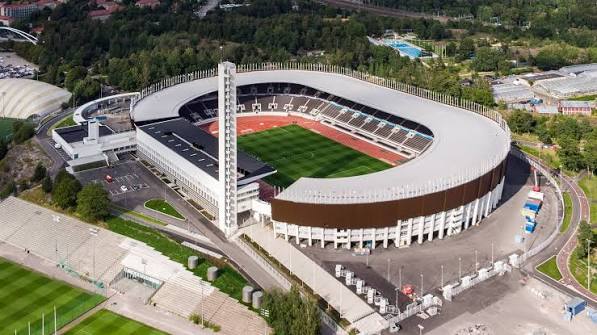
A central Berlin hotel is usually the safest compromise for visitors who want to explore the city as well as attend a match. It may not be the shortest return route from every stadium, but it offers more options if the schedule changes or if you want to eat after the match.
Berlin works especially well for visitors who do not want the entire weekend to revolve around one club. It is less suitable for anyone who assumes that two stadiums can be linked together without checking the full public transport journey.
Berlin is best for: football combined with history, museums and a larger city itinerary. The main drawback: different stadiums can require completely different cross-city routes.
Leipzig: a compact city with a practical rail base
Leipzig is a useful option for travellers who want a shorter German football weekend without renting a car. The city is compact enough to understand quickly, and its railway connections make it suitable for a trip built around one confirmed match.
Red Bull Arena is relatively easy to place within the wider city, but “close to the centre” does not mean that the final walk can be ignored. Hotel location, local transport and matchday crowd movement still need to be considered together.
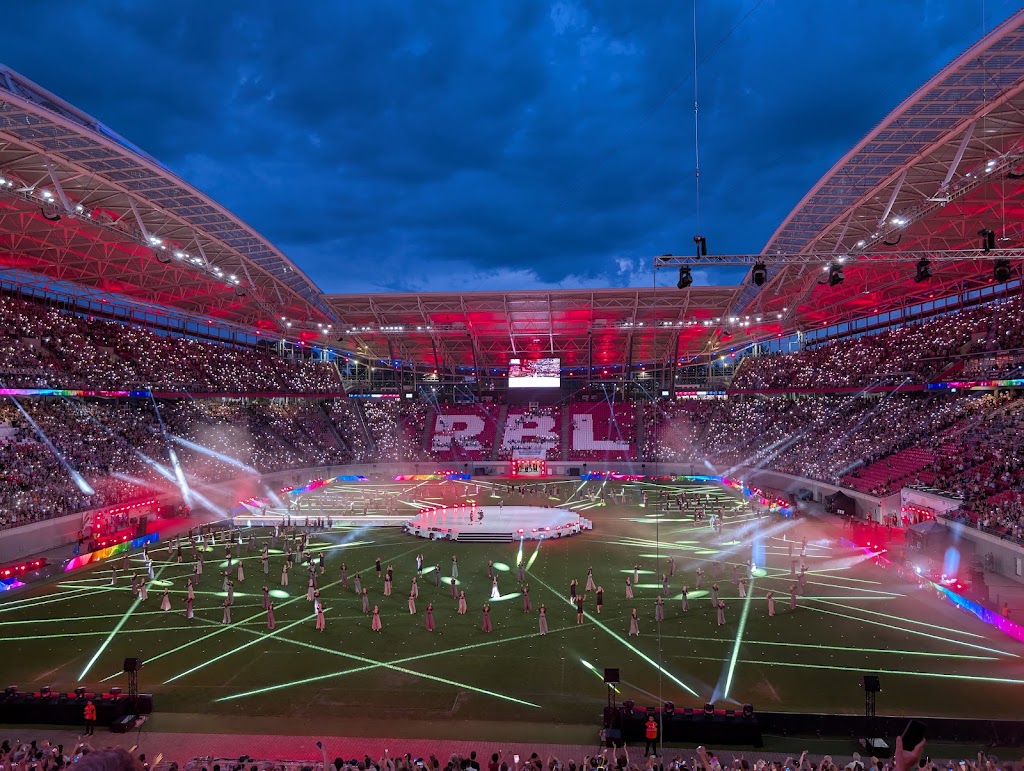
A city-centre or main-station hotel gives you more flexibility than a room chosen solely for its proximity to the stadium. It also makes the wider weekend easier if you want restaurants, cafés or a short city walk before the match.
Leipzig is a good choice when the goal is one match, one hotel and a straightforward city break. It offers fewer backup options than Munich or Berlin if the fixture changes, so flexible bookings remain important.
Leipzig is best for: rail travel, short weekends and visitors who prefer a compact city. The main drawback: there may be fewer alternative fixtures if the original plan changes.
Leverkusen and other Bundesliga choices
The best Bundesliga trip does not always need to be built around the largest city. Several smaller destinations work well when you want one confirmed fixture and a wider regional itinerary.
These cities normally offer fewer backup fixtures than Munich or Berlin. Check the final schedule before booking non-refundable travel, and choose accommodation that can be cancelled if the match moves.
Should you stay near the central station, city centre or stadium?
German stadiums are often outside the main tourist core, so the best hotel area depends on how much flexibility you need after the match.
Best for a complete weekend
More restaurants, sightseeing and alternative routes if the fixture or transport plan changes.
Best for rail-heavy trips
Helpful for arrivals and departures, but the stadium route and night-time surroundings need checking.
Best for one confirmed match
Can shorten the post-match journey, but usually offers fewer dining and backup options.
Use the Bundesliga Hotels Listings to create a shortlist, then check cancellation rules, late check-in, luggage storage and the route back from the stadium.
Which Bundesliga city should you choose?
Before choosing a destination, browse the Bundesliga Stadium Listings and the Bundesliga FAQ . Confirm the stadium, fixture and official ticket route before booking the rest of the weekend.
Bundesliga football weekend checklist
- Confirm the club, opponent, stadium and final kick-off time.
- Check whether the match has moved because of television, Europe or cup scheduling.
- Confirm whether the ticket includes any local transport rights.
- Map the route from the hotel to the stadium and back.
- Do not assume two local clubs will both have home matches.
- Choose cancellable accommodation until the fixture is stable.
- Check the final public transport connection after the match.
- Use official club ticket information before paying a reseller.
For the next step, read the Bundesliga Matchday Without a Car guide for DB, S-Bahn and stadium access. If you need tickets, use the Bundesliga Ticket Safety Guide before arranging the rest of the trip.
Choose the city after you understand the match
Start with the confirmed fixture, then compare the stadium route, rail connection, hotel base and wider city-break value.
Editorial note: Bundesliga fixtures, stadium arrangements, ticket conditions and public transport rights can change. Confirm the current club announcement and official match information before booking non-refundable travel.