
How to Plan an MLS Away Day: Flights, Time Zones, Stadium Access and Weather
How to Plan an MLS Away Day: Flights, Time Zones, Stadium Access and Weather
An MLS away day is rarely just a short trip to another part of town. Depending on the fixture, it can involve flights, time zones, rental cars, stadium parking, rideshare restrictions and weather that changes the entire evening.
In the United States and Canada, the difficult part is often not buying the match ticket. It is making sure the complete route still works when the airport, hotel, stadium entrance and post-match journey are considered together.
This guide focuses on the practical side of an MLS away trip: when to fly, when to drive, where to stay and how much flexibility to keep around the final whistle. For city comparisons, use the MLS city planning section before building the rest of the itinerary.

Start with the Fixture and Time Zone
Begin with the confirmed match, not the flight search. Check the destination city, the exact stadium and the local kick-off time. A calendar may display the match in your current time zone, while the stadium, hotel and local transport all operate on destination time.
MLS travel can involve Eastern, Central, Mountain and Pacific time zones, as well as cross-border trips into Canada. A one-hour difference may not sound significant, but it matters when a late kick-off is followed by a flight, a rental-car return or an early connection the next morning.
Fixture windows can also change because of broadcast decisions, cup commitments, venue availability or league scheduling. Do not arrange a tight flight connection simply because the original match listing looks fixed.
Flights, Driving or Public Transport?
MLS does not follow a single transport pattern. Some stadiums are in central sports districts with clear rail access. Others are surrounded by highways and parking lots, where a car or rideshare is part of the matchday plan.
| Transport | Best for | Main risk | Planning question |
|---|---|---|---|
| Flight | Long-distance and cross-time-zone away trips | Delays, security, baggage and rental-car collection | What is the backup if the flight is delayed? |
| Driving | Groups, remote stadiums and cities with limited rail | Traffic, parking reservations and slow post-match exits | Where does the car go after the match? |
| Public transport | Central stadiums with clear local connections | Last services, crowd control and temporary changes | Can you still return after the final whistle? |
| Rideshare | Short hotel-to-stadium journeys or late returns | Surge pricing and restricted pickup locations | Where is the official pickup zone? |
The airport-to-stadium route is never just the flight duration plus a drive. It may also include baggage collection, rental-car paperwork, parking, walking, security and the time needed to find the correct gate. A stadium event can make a normal weekday route completely unreliable.
Rail can be useful in cities such as Seattle, New York or Atlanta, but it should not automatically be treated as the American equivalent of a European intercity network. Check the complete door-to-door route before choosing a train over a flight or car.
Los Angeles, Seattle and West Coast Travel
West Coast trips have one advantage: Los Angeles, San Francisco, Portland and Seattle generally sit within the same broad time-zone pattern. The distance problem remains, however. An itinerary can still require a flight, airport transfer and a long journey across a large metropolitan area.
Los Angeles is the clearest example. The Los Angeles destination page includes several football and stadium possibilities, but each venue creates a different hotel and transport decision. An airport hotel may be convenient for the flight home and inconvenient for the match. A central hotel may offer a better weekend experience but require a longer rideshare after the game.
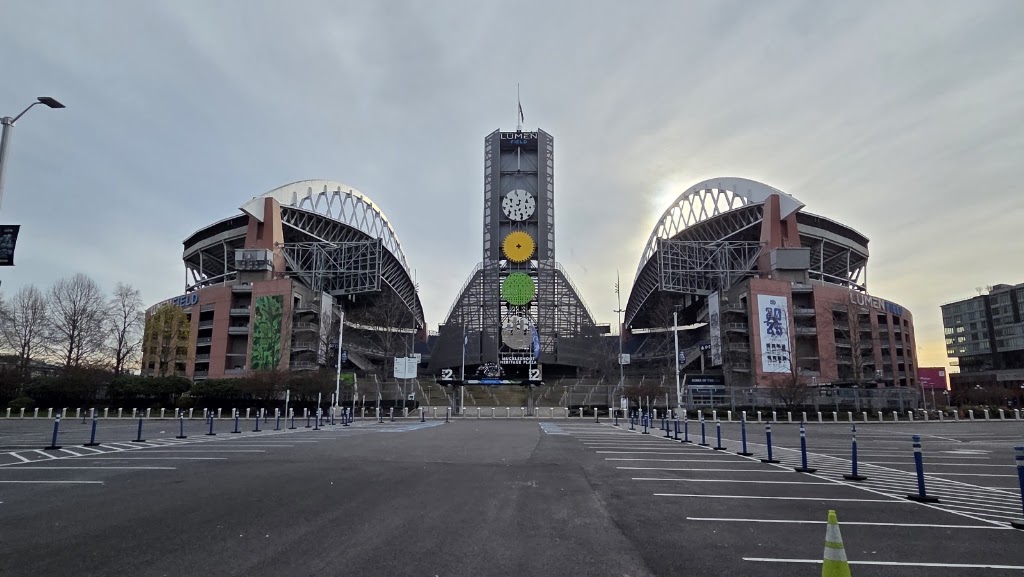
Seattle is more compact around Lumen Field. The Seattle city guide and Lumen Field listing are useful starting points for checking stadium access, rail connections and parking. The city can work well without a rental car, but crowd movement and other events around the stadium still affect the journey home.
Vancouver adds a cross-border issue to the West Coast calculation. Even when the cities appear close on a map, border procedures, airport timing and luggage can make a same-day connection much less comfortable than expected.
New York, Atlanta and East Coast Connections
The East Coast offers more transport alternatives, but it also has some of the busiest airports and most complicated event-day routes in North America. A short flight can still lead to a long evening if the airport, hotel and stadium sit in different directions.
New York and New Jersey should be planned by club and venue. Yankee Stadium and Sports Illustrated Stadium are not interchangeable matchdays. Check the Yankee Stadium listing and Sports Illustrated Stadium listing separately before booking accommodation.
New York City FC and the New York Red Bulls can both be part of a football weekend, but the route between them involves a different direction, different transport logic and potentially different state or regional connections. A central hotel is usually more flexible for one match, while two matches require the fixtures to be confirmed first.
Atlanta is easier to understand when the hotel is near the central city and the match is planned around MARTA. The Atlanta destination page and Atlanta Stadium listing can help with the stadium location, but large concerts, college sports or other events may affect the same downtown roads and stations.
Do not book a next-morning flight that depends on the last train, the last rideshare window or a perfectly timed exit from the stadium. The final whistle is the beginning of the return journey, not the end of it.
Soccer-Specific Stadiums and NFL Stadiums
The type of stadium changes the shape of the matchday. A soccer-specific stadium may have a more concentrated set of entrances and a closer relationship with its surrounding neighbourhood. It may also sit on the edge of the city, where public transport and rideshare options are limited.
A shared NFL or major-event stadium usually has a much larger footprint. Parking areas, security zones, pedestrian bridges and rideshare locations may be spread across several blocks. The stadium entrance shown on a map may not be the entrance assigned to your ticket.
Soccer-specific stadium
- Often a more concentrated supporter entrance area.
- May be closer to a football neighbourhood.
- Can still be outside the traditional city centre.
- Parking and rideshare instructions may change by event.
NFL or shared stadium
- Larger event campus and more entry points.
- More parking zones and longer walking distances.
- Higher chance of concerts or other events nearby.
- Ticket, parking and rideshare arrangements are usually separate.
Always check the stadium’s current bag policy, gate information, parking rules and official rideshare instructions. A match ticket does not automatically include parking, and the drop-off point may not be the same as the post-match pickup zone.
How Matchday Weather Can Change an MLS Away Trip
Weather is not only a comfort issue. It can affect flights, roads, parking, stadium entry and the timing of the match itself.
Summer heat
High temperatures and humidity can make an outdoor queue or long walk much harder than expected. Carry only what the stadium allows and plan shade, water and an earlier arrival.
Thunderstorms and lightning
Lightning risk may lead to temporary pauses, delayed entry or a longer wait after the match. Keep the hotel and transport bookings flexible when severe weather is forecast.
Rain and wind
A covered stadium does not remove the problem of wet sidewalks, crowded platforms or slower traffic outside the venue.
Cold, snow or smoke
Winter conditions or poor air quality can affect flights and road travel before you even reach the city. Check the forecast again shortly before departure.
If the match is delayed or rescheduled, the most useful protection is flexibility: cancellable accommodation, changeable transport and enough time that the entire trip does not depend on one exact departure.
How Much Buffer Should You Leave?
These are editorial planning principles rather than official stadium timings. The exact buffer depends on the city, venue, ticket type, weather and the event calendar.
- For a cross-time-zone flight, arriving the day before is the safer default.
- For same-day arrival, prefer an early nonstop flight with a realistic backup.
- Include baggage collection, rental-car pickup, parking and walking in the airport-to-stadium calculation.
- Arrive early enough to handle security, ticket activation and the correct entrance.
- Treat the final whistle as the start of the return journey.
- Allow for crowd movement before expecting a rideshare or public transport connection.
- Do not schedule a departure immediately after the expected final whistle.
- Never make a second match depend on the first match ending exactly on time.
Where Should You Stay?
The best hotel is the one that protects the most important part of the itinerary. A city-centre base supports food and sightseeing, while a stadium-area hotel may be better for a single late match. An airport hotel only makes sense when the flight schedule is the main reason for the trip.
Compare the MLS Hotels Listings after the venue and transport route are confirmed. Do not judge the hotel by ordinary weekday driving time alone.
| Hotel location | Best for | Main problem |
|---|---|---|
| City centre | First-time visitors, restaurants and flexible sightseeing | The stadium may require a longer return trip |
| Near the stadium | One confirmed match, especially a late kick-off | Fewer restaurants and less choice after the event |
| Near the airport | Early flights or a short stopover | Can make the post-match journey expensive and inconvenient |
| Near a highway or parking area | Self-drive trips and groups carrying luggage | Traffic and slow stadium exits may cancel out the location advantage |
When an MLS Away Day Is Not Worth the Risk
- A same-day return requires crossing more than one time zone.
- The itinerary depends on two flight connections before kick-off.
- The final flight or train is the only way back after the match.
- Stadium parking has not been reserved or confirmed.
- The match time or venue is not final.
- The weather forecast includes a serious heat, lightning, snow or smoke risk.
- The next morning begins with a non-changeable early flight.
- The hotel cannot be cancelled and the transport plan has no backup.
MLS Away Day Checklist
- Confirm the local kick-off time.
- Check the difference between your departure and destination time zones.
- Verify the stadium address and the correct ticket entrance.
- Check official parking, road-closure and rideshare instructions.
- Confirm the hotel cancellation policy.
- Prepare for heat, rain, lightning, snow or other local weather risks.
- Check bag policy, security rules and mobile-ticket requirements.
- Allow time for the crowd to leave before ordering a rideshare.
- Do not make the final flight of the day your only return option.
- Recheck the fixture, stadium instructions and weather before leaving for the match.